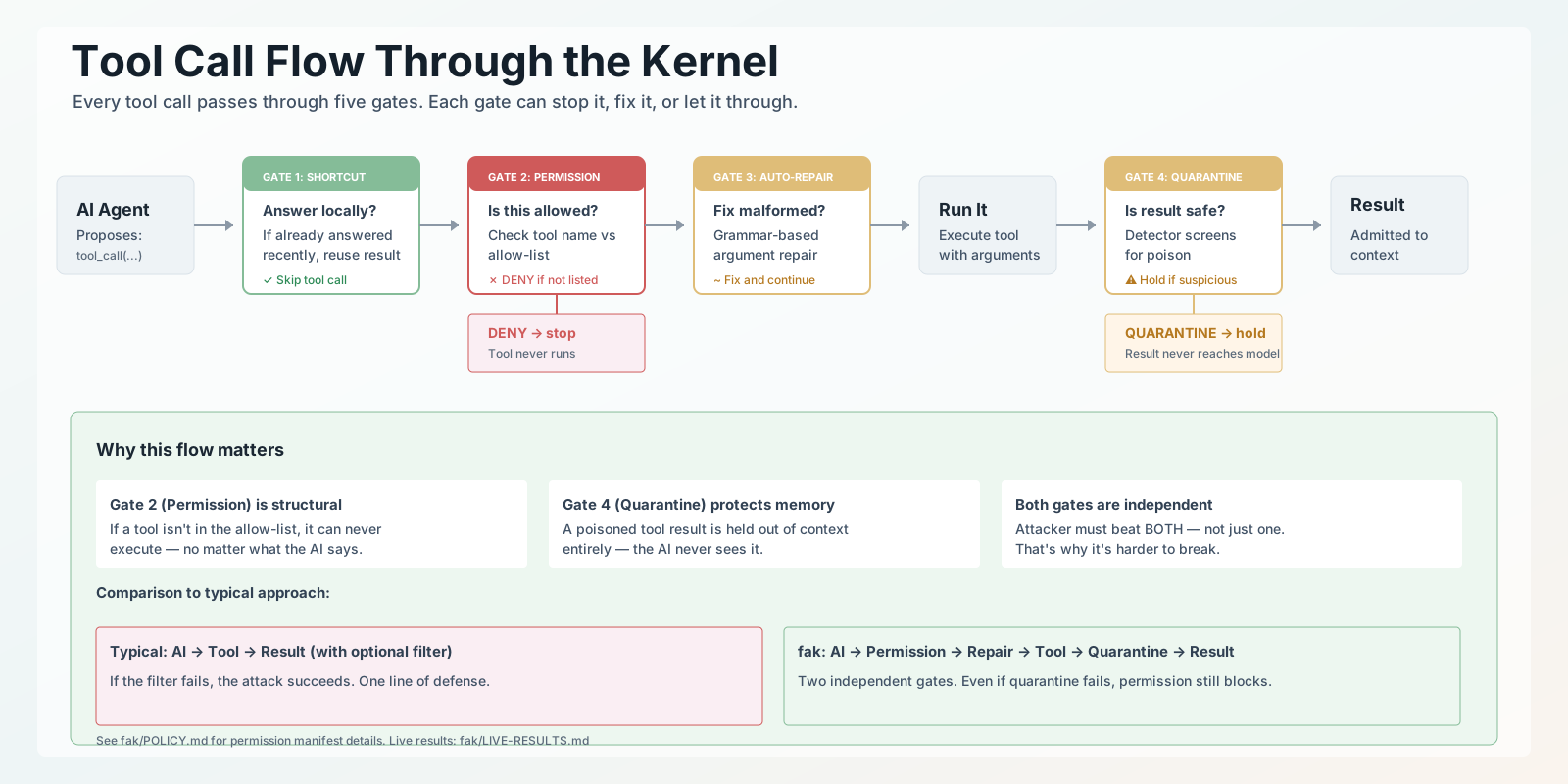
The same diagrams shipped in the repo, served live. They trace one idea — the tool call as a
syscall through a kernel the model doesn't control — from the architecture, through the security gate, to
where the performance win comes from. The interactive
playground and live chat exercise exactly this kernel.
The one idea
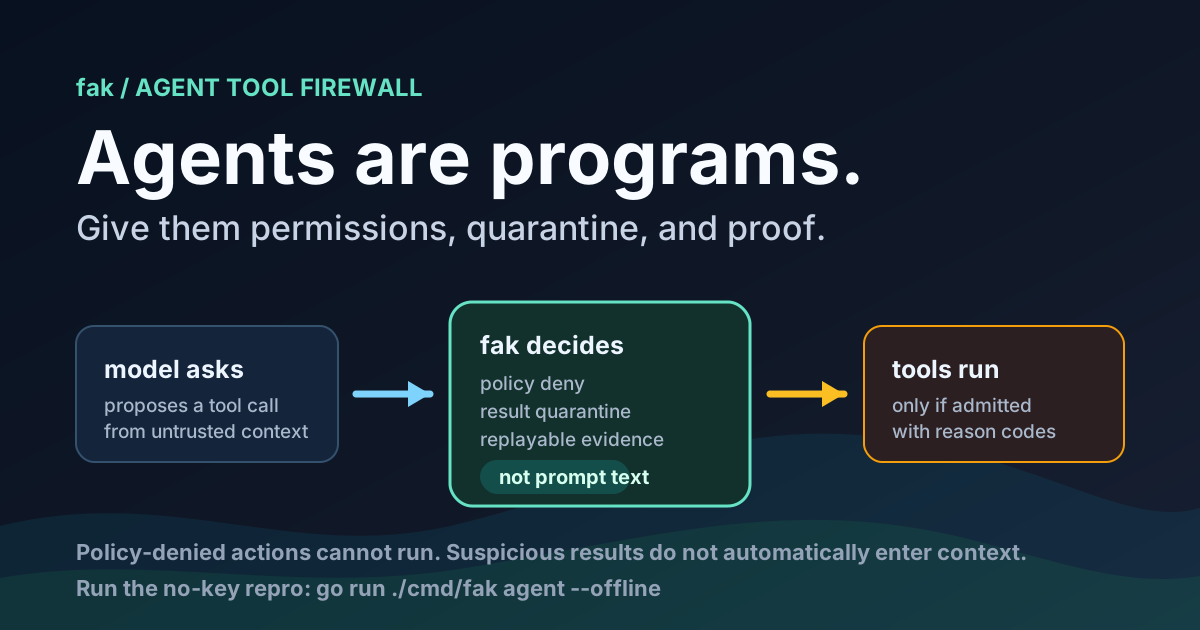
A tool call enters as a syscall; the kernel adjudicates, then dispatches an allowed call.Master architecture — gate, adjudicator, context-MMU, and the owned KV cache.fak as the agent's tool firewall, in one card.
The security gate
Two gates: a call-side capability floor and a result-side containment layer.Preflight — policy + tool + args → verdict, offline, with no model in the loop.Honesty map — which claims are SHIPPED vs SIMULATED vs STUB.
Where the speed comes from
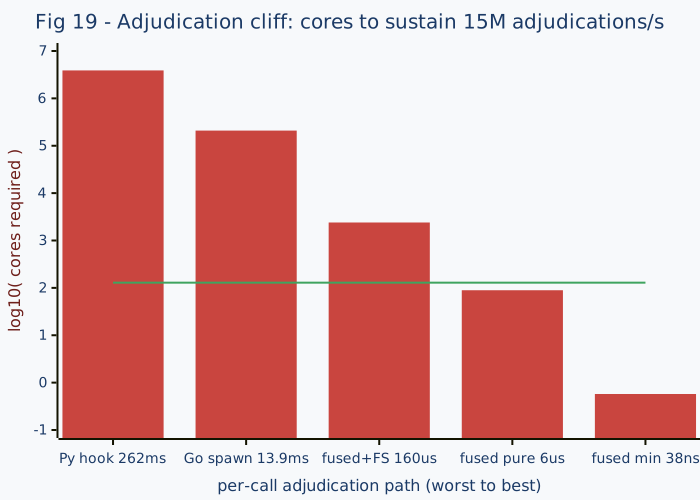
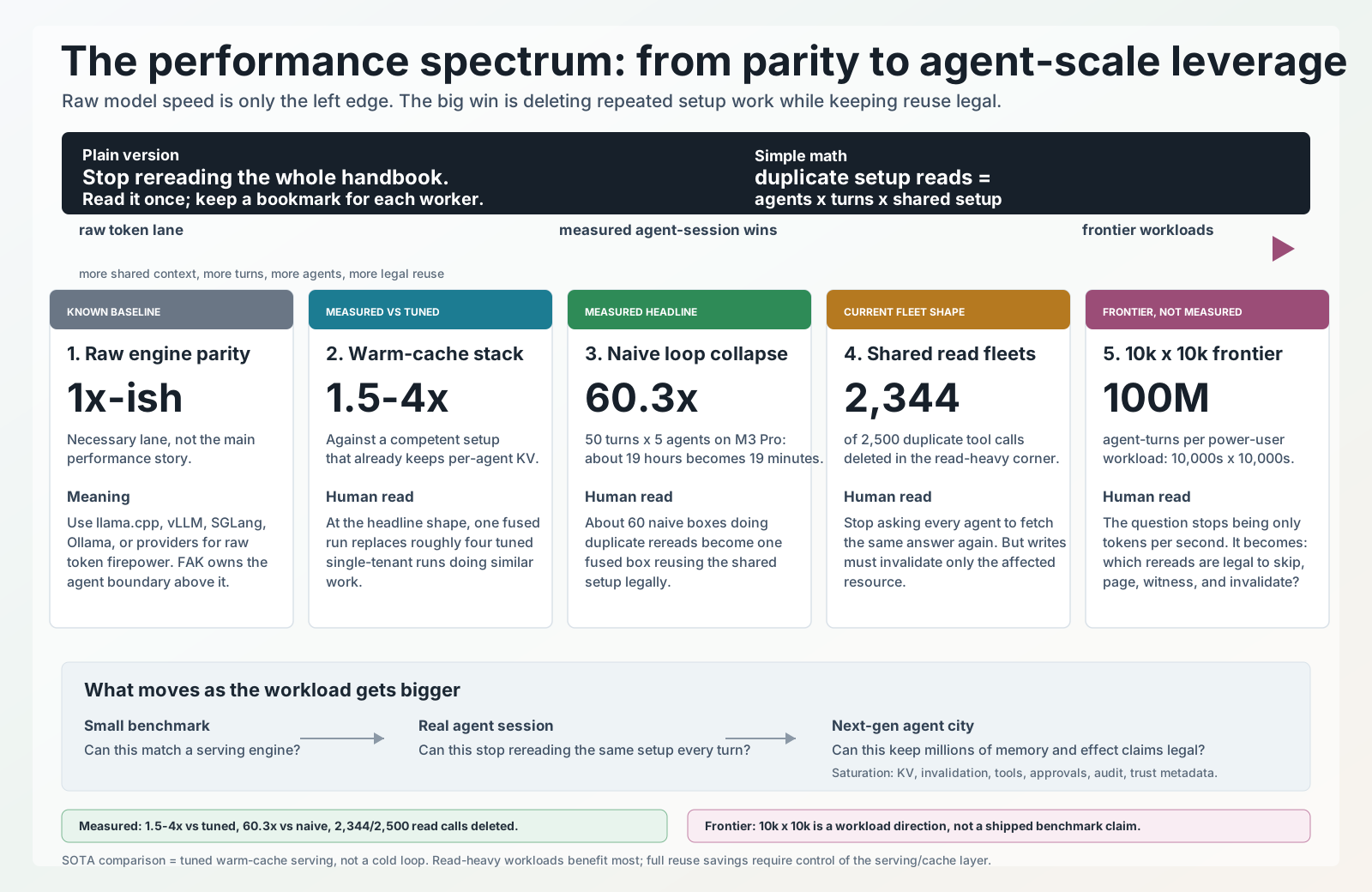
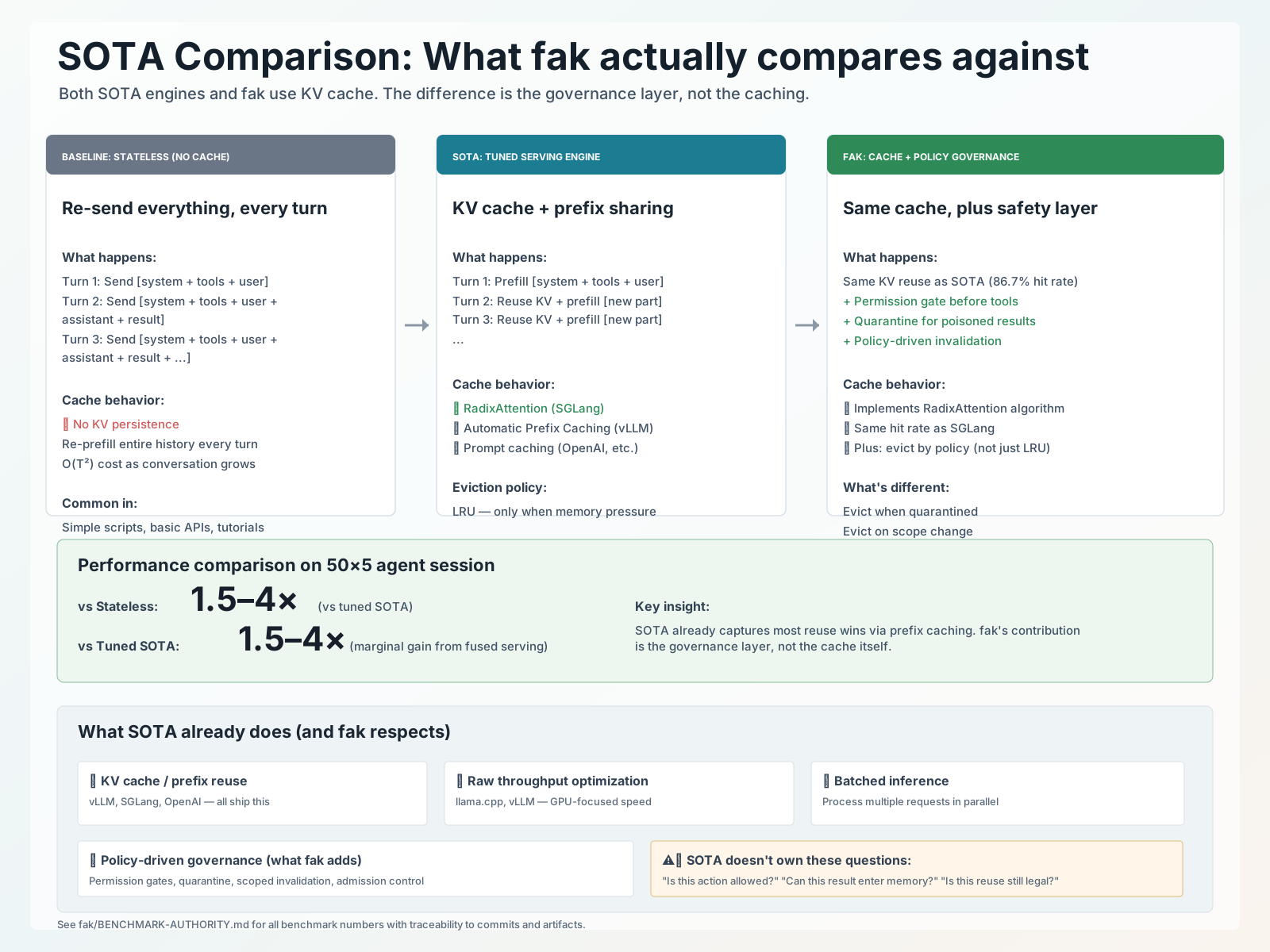
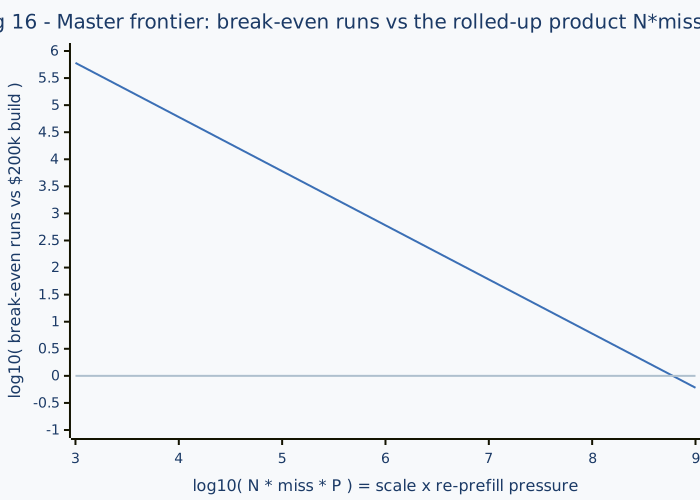
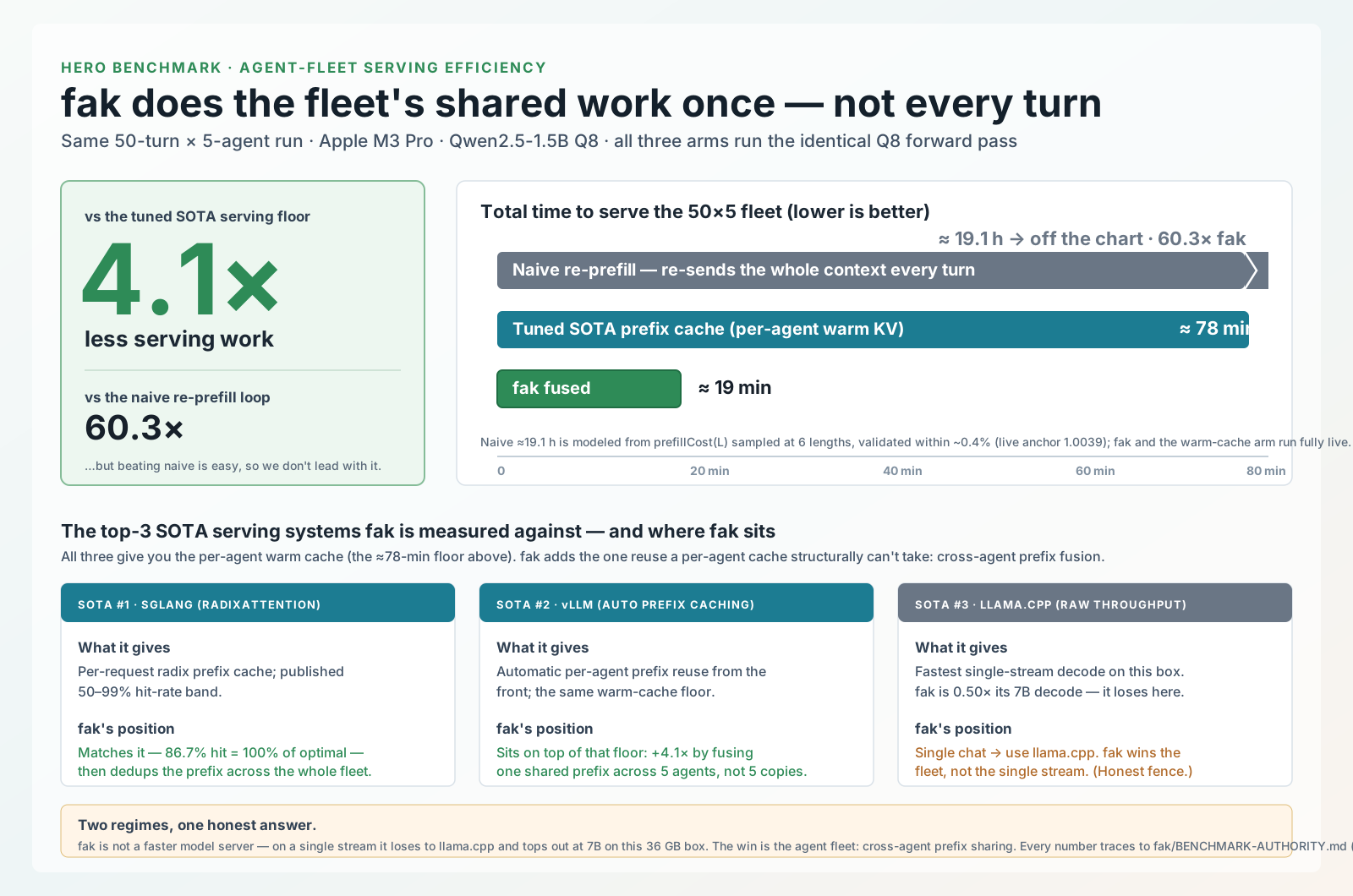
In-process adjudication stays ~µs; a spawned external hook is milliseconds — the latency cliff.One shared prefix prefilled once, cloned into N agents — reuse scales with agents × turns.The performance spectrum: raw parity → measured reuse wins → agent-scale leverage.Naive baseline vs a tuned baseline vs the kernel — measured, not naive-vs-us.The headline curve — turns saved as the fleet grows.Hero benchmark comparison.